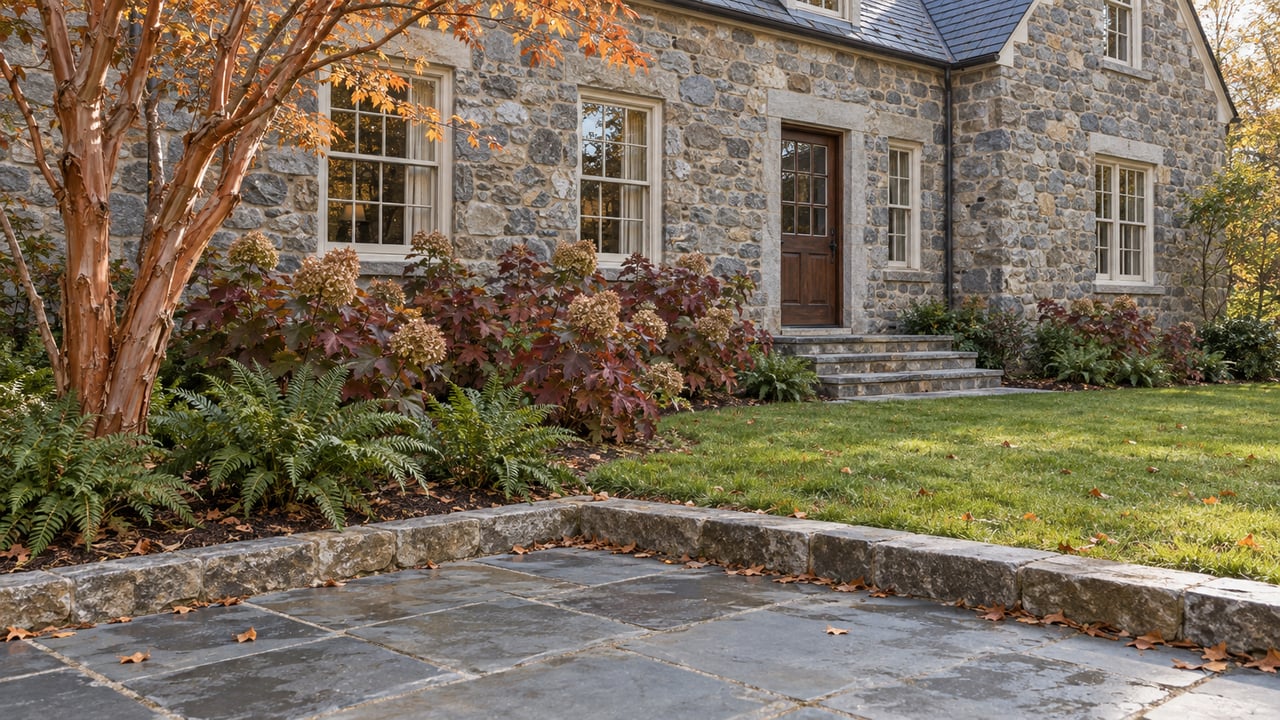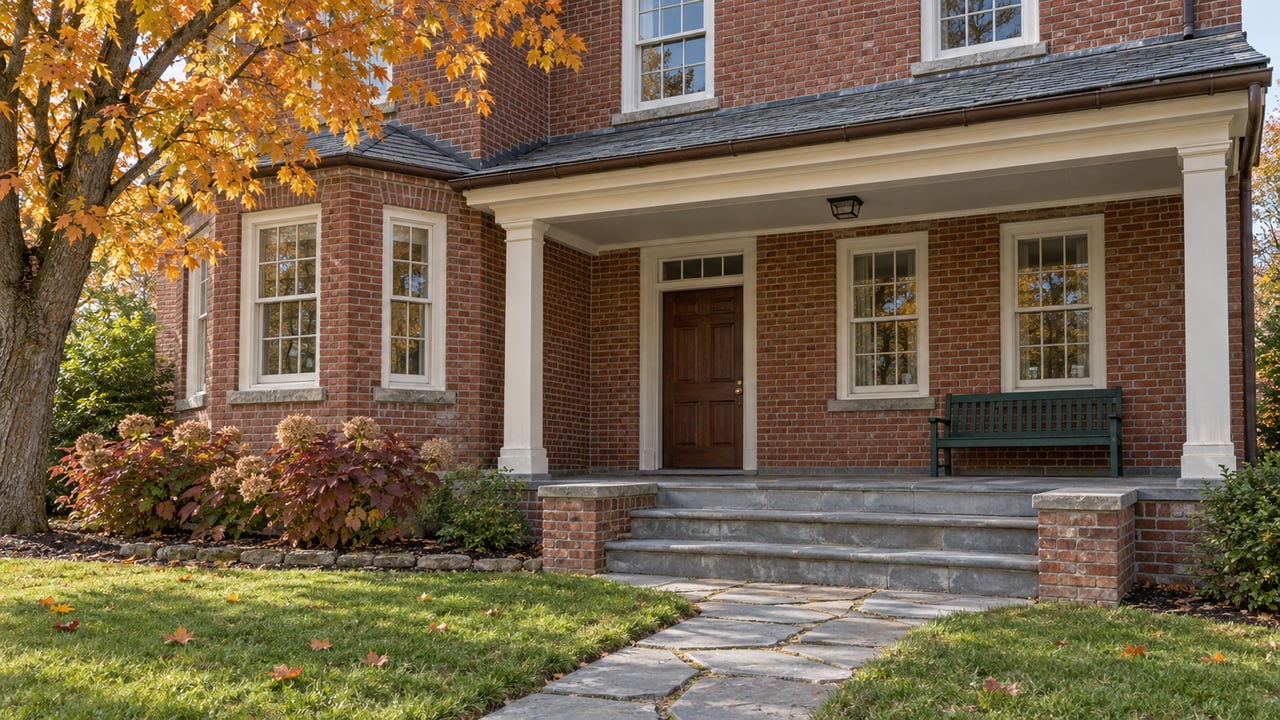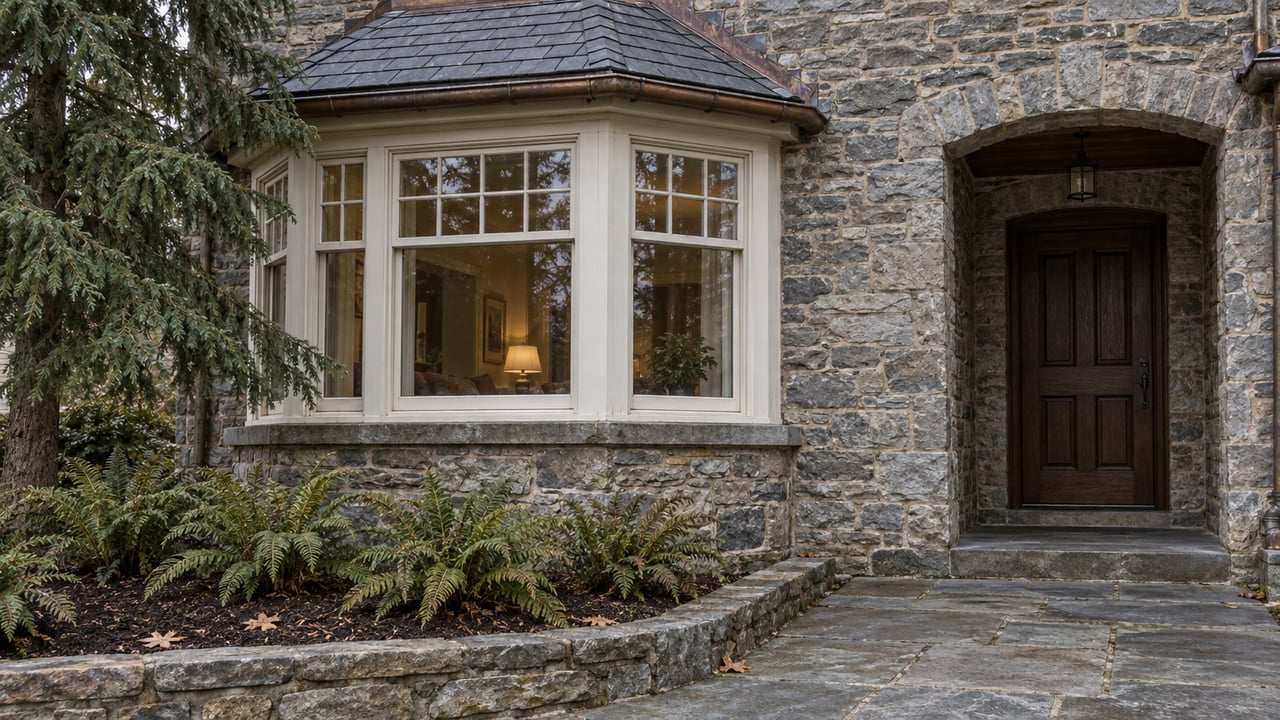
Woolman Walk is lined with cherries and azaleas, and the meadows along the Haverford College Nature Trail are planted for wildlife. Both put on their best show in spring and summer. Out on the 2.2-mile loop around the 216-acre campus, one section was planted on purpose to be studied tree by tree. That is the 18-acre Ryan Pinetum, a scientific collection of living conifers.
Between 1928 and 1948, hundreds of young conifers were moved to that site and planted by family and genus. The collection now covers 5 of the 7 conifer families and 27 species of pine. Most conifers stay green all winter, so after the maples and oaks go bare, this is the part of the campus still worth slowing down for. The Arboretum's own Visitors' Guide adds a deadline of sorts. It says the Nature Trail is not maintained during the winter. The weeks between now and the first hard freeze are the best time to learn the Pinetum well.
Tonight's Fall Festival Opens the Season
The Arboretum's Fall Festival runs this evening, Thursday, Oct. 29, from 4:30 to 7 p.m. It takes place in the nursery area next to the Facilities Greenhouse at the Facilities Management Complex. The night hike, crafts and games are free for everyone, and the event page lists this lineup:
- A jack-o'-lantern-lit night hike
- Miniature pumpkin and gourd painting
- An apple cider station
- Face painting
- A painted rock scavenger hunt
- Woodland creature mask making
- An apparel and merchandise sale that takes cash, cards, checks, Apple Pay and Google Pay
Costumes are encouraged but not required. No food will be sold, so plan dinner before or after. The event page sends festival parking to the South Lot. It also says the festival will be canceled if bad weather is predicted. Registration is free, and signing up through the Eventbrite page is how you get weather and parking updates on the day.
The night hike is a good first look at a campus that most people only see in daylight. The rest of this post covers the daylight walking that follows.
How the Pinetum Is Laid Out
The Pinetum is set up for self-guided study. Numbered markers on posts lead you through 15 areas of interest. Most of Haverford's State Champion trees grow inside it, and each one carries a gold label. The guide map shows both the numbered conifers and the champions, and Visitor Guides and Pinetum brochures are available on site.
You can walk in from Featherbed Lane or step off the Nature Trail. At the trail entrance, a plaque on a rock dedicates the Ryan Pinetum to Nancy P. and Richard J. Ryan. It is dated April 24, 1993, and it notes that members of The Campus Club started the Pinetum in 1928. The collection is close to a hundred years old, and it was planted by a club, not designed by a landscape firm.
If you want to go beyond the numbered posts, the Arboretum Explorer is a searchable online tool with themed tours, dedicated trees and collection highlights. With the posts and the Explorer together, you can learn one family or genus per visit over a few weeks.
The Rest of the Loop, Stop by Stop
The Pinetum is one stretch of the full trail. The other named stops carry the walk around the campus edge and through its center. The College's Nature Trail page and highlights page list them.
| Stop | Where it is | What's there |
|---|---|---|
| Ryan Pinetum | Off the Nature Trail and Featherbed Lane | 18-acre conifer collection, 15 numbered areas, gold-labeled State Champions |
| Duck Pond and pollinator garden | Along the Nature Trail | 3-acre pond next to a Penn State Certified Pollinator Garden |
| Woolman Walk | Campus interior | A path lined with cherries and azaleas |
| Treaty Elm | Barclay Beach, the lawn behind Barclay Hall | The surviving tree of seven American elm grafts planted in 1915 |
| Gertrude C. Teaf and Denis Asian Gardens | Beside the Dining Center | Two Asian-style gardens |
| VCAM Rain Garden | Between the Printmaking Studio and VCAM | A rain garden that slows and absorbs stormwater runoff |
| Peace Garden and Hilles Garden | Campus interior | Two named gardens on the Arboretum's list of areas of interest |
The College's Revitalization page explains the purpose of the VCAM garden and its counterpart at the Duck Pond. Rain gardens let stormwater soak in more slowly, which reduces erosion and keeps pollutants out of rivers and streams. The trail also passes the athletic fields and the wildlife meadows. The Visitors' Guide calls the whole property the oldest planned campus landscape in the country. The Treaty Elm and the Pinetum are the two oldest stories on the loop, from 1915 and 1928, and you can visit both in one walk.
Some of the work behind the scenes is recent. In August 2026, the Arboretum reported on a soil-testing project in which an intern sampled and mapped campus soils. The goals were to guide horticultural practice and set a baseline for future testing. That baseline now sits under the plantings along the trail.
The Ground Rules for Neighbors on Campus
According to the Visitors' Guide, the Arboretum is open every day from dawn to dusk. The one exception is Commencement Day in May. Public restrooms are in the Whitehead Campus Center on Coursey Road. The guide asks visitors to park in the Visitors' Lot, and the trailhead is right next to it. The Arboretum FAQ says other campus lots are open to visitors outside weekday business hours, 8 a.m. to 5 p.m. On weekdays, the Campus Safety parking page lists the South Lot as permit-only during those same hours.
On the trail itself, dogs stay on a leash and off the athletic fields, owners clean up after them, and bikes are not allowed. The FAQ also asks visitors not to harvest plant material, walk in flower beds, or climb any tree except the one designated climbing tree. Groups planning a larger visit should contact Arboretum staff first, and they may need insurance.
The winter caveat matters most from here on. The guide asks walkers to watch their footing, use the trail at their own risk, and remember that the trail is not maintained in winter. Once that season sets in, the Pinetum's numbered posts are still there, but the path to them is no longer kept up.
After the Trail Season, the Arboretum Moves to Zoom
The Arboretum's events calendar shifts online after the festival. All three upcoming programs are listed as open to the public, and each one requires registration to get the link.
- Predatory Insects in Your Garden, Wednesday, Nov. 18, 7 to 8 p.m. Free for students, $5 for members, staff and faculty, and $10 for non-members. Event page.
- Understanding Keystone Natives, Monday, Nov. 23, 7 to 8 p.m. Free for students, members, staff and faculty, and $10 for non-members. Event page.
- Virtual Nature Book Club, "Light Eaters", Thursday, Dec. 3, 7 to 8 p.m. Free. Event page.
The pricing on the first two shows what an Arboretum membership is worth over a season. Members get a seasonal newsletter, discounts and invitations to special events. You can join through the College by emailing [email protected] or calling (610) 896-1101. The Arboretum's director is Claudia Kent.
The keystone natives talk on Nov. 23 is especially useful if you garden nearby. It comes after most fall planting is done and well before seed catalogs show up, so there's time to plan spring beds around what you learn.
I keep the Arboretum's calendar on my own list because a walkable green space like this is part of what makes the streets near the Haverford College campus so appealing. If you'd like to talk through what's within walking distance of the Nature Trail, or how campus amenities fit into a move in either direction, Nora DeCristofano is happy to help. Let's Connect.